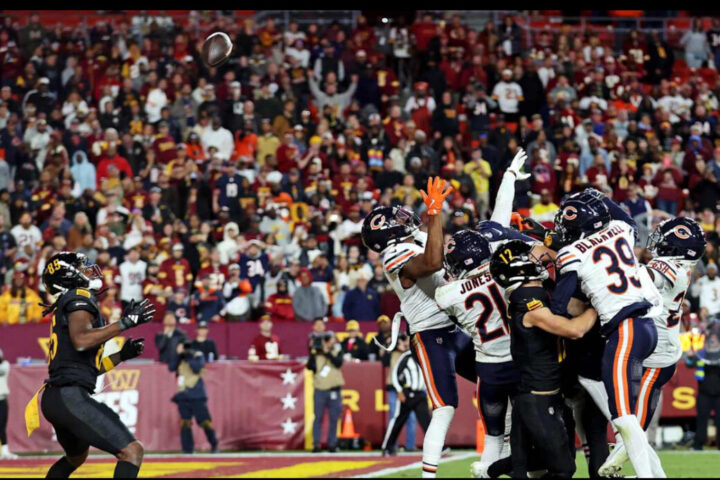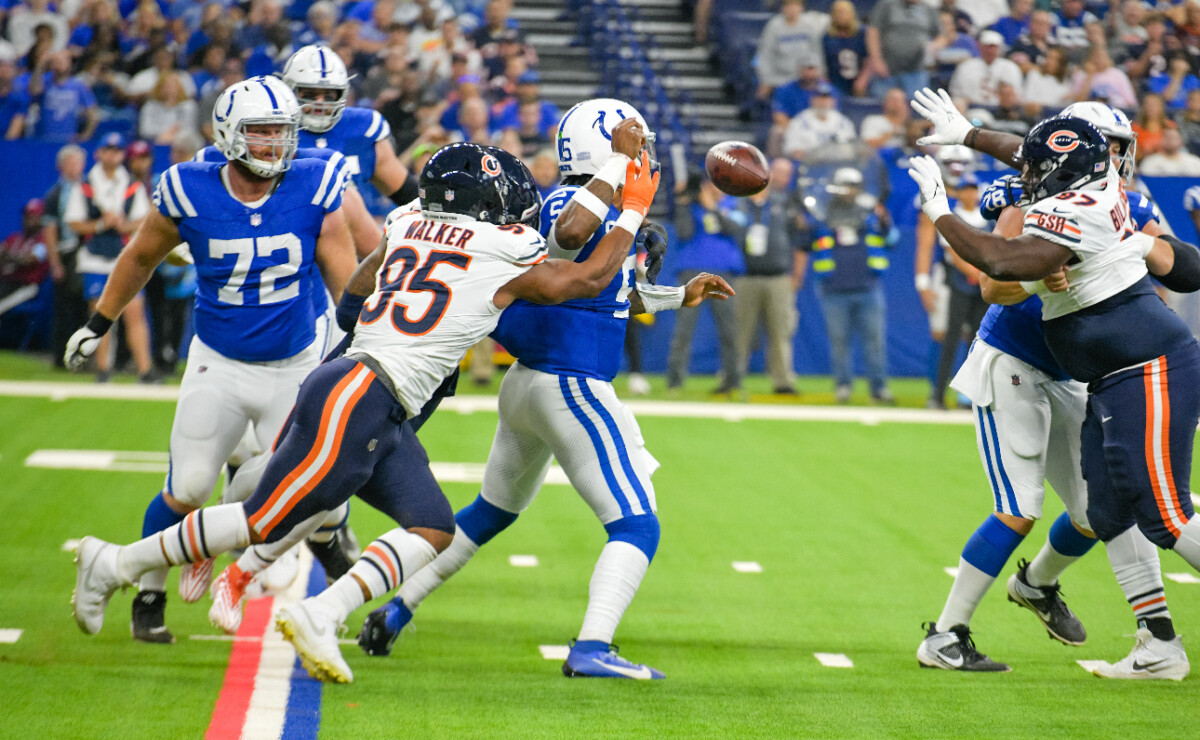
September 22, 2024, in Indianapolis, the Chicago Bears fell 21–16 to the Colts in a game marked by offensive highs and critical miscues. The quarter-by-quarter scoring showed Chicago trailing 0–7 at halftime, cutting into the margin with a third-quarter field goal and then putting together a strong fourth quarter to close the gap. The Colts led 7–0 after the first half, extended to 14–3 in the third, and held on after a final surge by Chicago.
Chicago’s offense piled up yards but could not convert enough of them into decisive points. Rookie quarterback Caleb Williams completed 33 of 52 passes for 363 yards, throwing two touchdowns alongside two interceptions. The Bears’ rushing attack managed only 63 yards on 28 attempts, averaging 2.2 yards per carry. On the Colts’ side, Jonathan Taylor led the ground game, topping the 100-yard mark and scoring twice. Anthony Richardson contributed on his own, and Colts running backs added a third rushing touchdown.
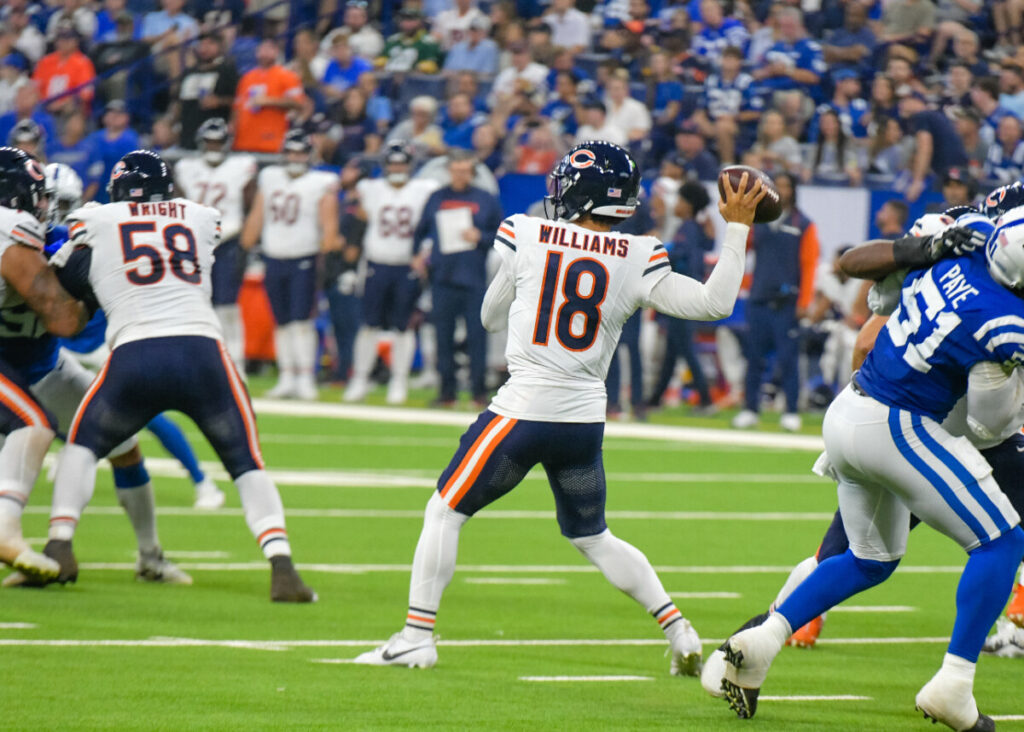
Turnovers and situational errors altered momentum. Chicago forced a turnover earlier, but Williams later lost a fumble after a strip-sack near the end of regulation, giving Indianapolis the ball at Chicago’s 16. The Colts capitalized with a 1-yard touchdown run to push ahead with 5:22 to play. Earlier in the fourth quarter, Williams found Rome Odunze for a 1-yard touchdown, though the two-point conversion failed. Chicago’s defense held firm until the closing drive, but could not prevent Indianapolis from sealing the result.
In the postgame locker room, Coach Matt Eberflus assessed the fine margins that defined the outcome. “We had chances. We moved the ball. But in drives at the end, you’ve got to protect and finish — and we came up short,” he said. Williams, speaking on his night, acknowledged the balance of production and error. “I thought we showed what we can do — we were aggressive. But you can’t lose fumbles or miss conversions at key moments and expect to win,” he remarked.
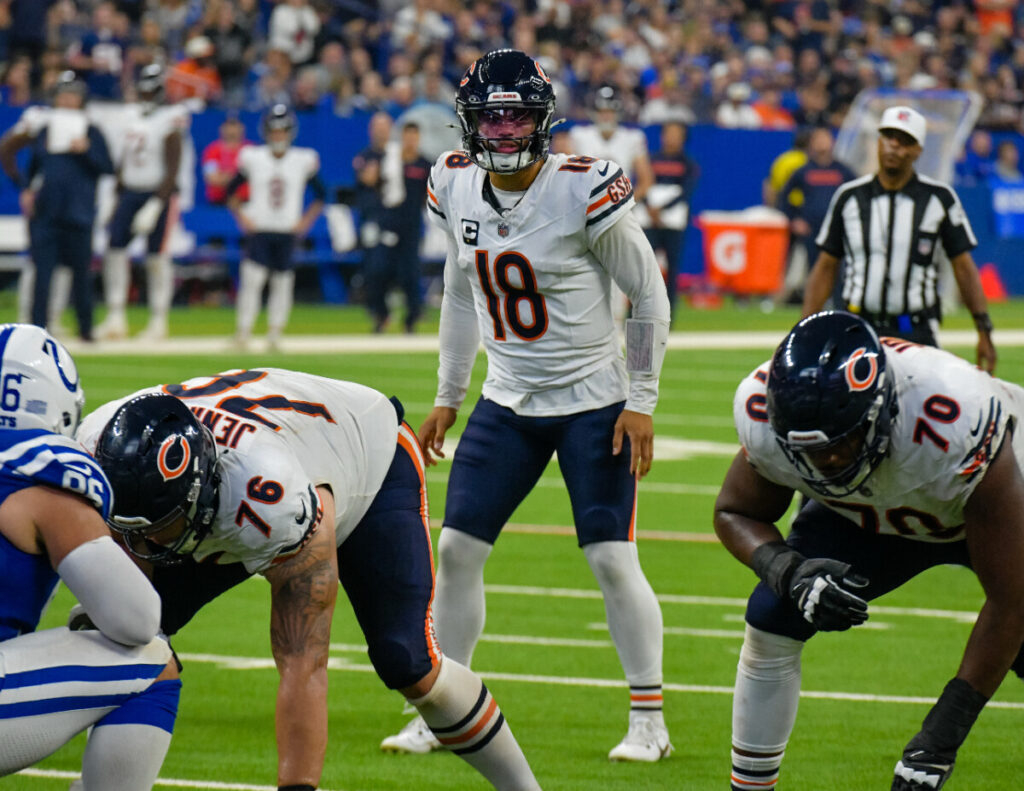
The loss dropped Chicago to 1–2 on the season and underscored foundational questions: Can the Bears turn yardage into dependable scoring, can the rushing attack improve under pressure, and will turnovers be controlled on the road? The pieces are there, but until the mistakes shrink and the execution strengthens, close games may continue to slip away.